



As temperatures drop and daylight hours grow shorter, your horse’s body is already preparing for winter. From growing a thicker coat to adjusting to seasonal changes, fall is an important time to evaluate your horse’s nutrition and grooming routine.
While a shiny coat and flowing mane and tail are certainly beautiful, healthy hair and skin also play important roles in your horse’s overall health, comfort, and protection against the elements.
The key to maintaining a healthy coat throughout the colder months?Start from the inside out.
What Triggers Your Horse’s Winter Coat Growth?
Did you know that colder temperatures aren’t the primary reason your horse grows a thicker winter coat?
It’s actually the decreasing hours of daylight.
As fall approaches and the days become shorter, your horse’s body responds to changes in natural light. These changes trigger hormonal responses that stimulate winter coat development. This process, known asphotoperiodism, allows horses to begin preparing for winter long before freezing temperatures arrive.
A horse’s winter coat consists of longer, denser hair that helps trap a layer of warm air close to the skin, providing natural insulation against the cold.
When that coat becomes wet, dirty, or heavily matted, however, its ability to provide insulation can be reduced.
Although coat thickness varies depending on breed, age, environment, management, and individual differences, nearly all horses experience some degree of seasonal coat change.
Healthy Hair Starts with Proper Nutrition
A healthy, shiny coat is more than an attractive feature. Hair and skin condition can also provide clues about your horse’s overall nutrition and health.
Hair is primarily made ofkeratin, a structural protein that depends on adequate nutrition for normal growth and strength. When a horse’s diet lacks important nutrients, the effects may become visible through a dull coat, brittle hair, poor hair quality, or increased breakage.
Several nutrients play important roles in maintaining healthy skin, hair, mane, and tail.
Protein and Essential Amino Acids
Protein supplies the building blocks needed for normal hair growth, strength, and repair.
Horses with increased nutritional demands or diets lacking adequate high-quality protein may benefit from additional dietary support.
Omega-3 Fatty Acids
Beneficial fats help support normal skin function and a healthy-looking coat.
Flaxseed and flaxseed oil are commonly used plant-based sources of omega-3 fatty acids in equine diets.
Biotin
Biotin is a B vitamin involved in normal keratin formation and helps support healthy skin, hair, and hooves.
Zinc and Copper
These essential trace minerals contribute to normal skin health, hair formation, and pigmentation.
Maintaining the proper balance between minerals is important, which is one reason a properly formulated nutritional program is preferable to simply adding individual nutrients without considering the entire diet.
Vitamin E
Vitamin E is an important antioxidant that helps protect cells from oxidative damage and supports overall health.
Beneficial Dietary Fats
Full-fat extruded soybeans can provide energy, protein, and beneficial fatty acids that support overall condition and coat quality.
The goal is not simply to add more supplements. It is to provide the nutrients your horse actually needs while avoiding unnecessary nutritional imbalances.
Why Coat, Mane & Tail Care Matters
As your horse’s winter coat thickens and the mane and tail continue to grow, proper hair care becomes especially important.
Keeping your horse’s hair healthy isn’t just about appearance. It also helps protect the hair from damage and allows you to monitor the condition of the skin underneath.
Maintaining a healthy coat, mane, and tail can provide several benefits:
-
Natural insulation: A clean, dry winter coat helps trap body heat and protect your horse against colder temperatures.
-
Healthy skin: Regular grooming removes dirt, debris, and loose hair while giving you an opportunity to monitor skin condition.
-
Reduced breakage: Gently detangling the mane and tail helps prevent knots, split ends, and unnecessary hair loss.
-
Improved hair retention: Minimizing breakage allows the mane and tail to retain more of their natural length as they grow.
-
Natural shine: Grooming helps distribute the coat’s natural oils and maintain a healthy appearance.
-
Early detection of problems: Consistent grooming provides an opportunity to identify skin irritation, parasites, unusual hair loss, lumps, swelling, or other concerns before they become more serious.
Nutrition supports the growth of new hair, but existing hair can still become damaged through excessive brushing, friction, mud, moisture, blankets, and environmental exposure.
Combining good nutrition with gentle grooming practices is the best approach to maintaining strong, healthy-looking hair.
5 Tips for Maintaining a Healthy Winter Coat
1. Evaluate Your Horse’s Diet
Start with quality forage and make sure your horse receives an appropriate balance of vitamins, minerals, protein, and fatty acids.
If your horse’s current feeding program has nutritional gaps, consider a supplement formulated to provide the nutrients that may be missing.
2. Maintain a Consistent Grooming Routine
Even when your horse isn’t being ridden as frequently, regular grooming remains important.
Removing dirt, sweat, mud, and debris helps maintain coat condition and gives you the opportunity to inspect the skin beneath that thick winter hair.
3. Be Gentle with Manes and Tails
Avoid aggressively brushing through tangles, particularly when the hair is dry or brittle.
Using a detangler and working through small sections with your fingers or a wide-toothed comb can help reduce unnecessary breakage.
4. Protect Your Horse from Excessive Moisture
A thick winter coat works best when it stays relatively clean and dry.
Provide adequate shelter from persistent rain and wind, and regularly check for trapped moisture or skin irritation, especially underneath blankets.
5. Monitor Body Condition and Overall Health
A thick winter coat can hide changes in weight and muscle condition.
Regularly assess your horse’s body condition by both looking and feeling beneath the coat.
Persistent dullness, unusual hair loss, skin irritation, changes in body condition, or delayed shedding may warrant a conversation with your veterinarian.
Horse Guard Products for Healthy Hair, Skin & Hooves
At Horse Guard, we believe healthy horses start with balanced nutrition.
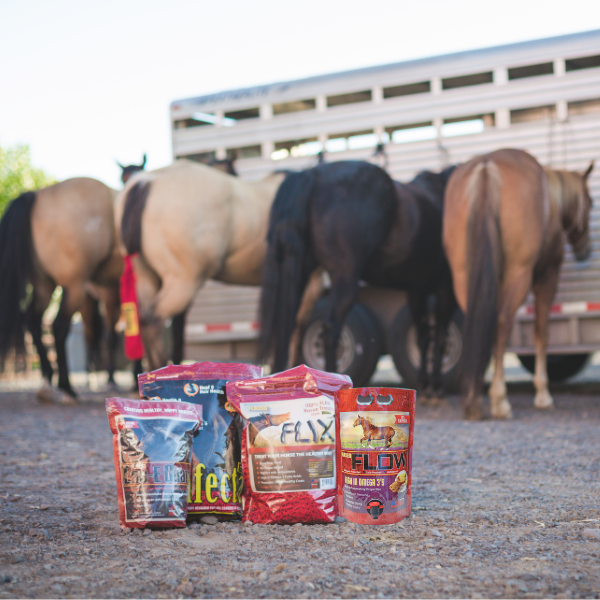
Two products that can be particularly useful when supporting coat, mane, tail, and hoof condition areGlow andHoof & Hair Guard.
Glow
Horse Guard FlaxenGlow is made with full-fat extruded soybeans.
Extruded soybeans provide protein, energy, and beneficial dietary fats that can help support overall condition and a healthy-looking coat.
Glow can be an option for horse owners looking to add beneficial fats and quality protein to their horse’s diet while supporting skin and coat condition.
Hoof & Hair Guard
For horses needing more targeted support for hair and hoof quality,Hoof & Hair Guard combines nutritional support for healthy hair growth with nutrients such as biotin.
It is designed to support healthy hooves while also promoting strong, healthy-looking mane, tail, and coat growth.
Supporting Healthy Hair from the Inside Out
A beautiful winter coat doesn’t happen overnight.
Healthy hair growth takes time, and consistent nutrition, regular grooming, appropriate management, and attention to your horse’s overall health all contribute to long-term results.
As the seasons change, take a closer look at what’s going into your horse’s feed bucket.
Providing the right balance of vitamins, minerals, protein, and beneficial fats today can help support healthy skin, coat, mane, tail, and hooves throughout the colder months and beyond.
Because when it comes to a healthy coat,what you see on the outside often starts with what you provide on the inside.


Leave a comment (all fields required)