

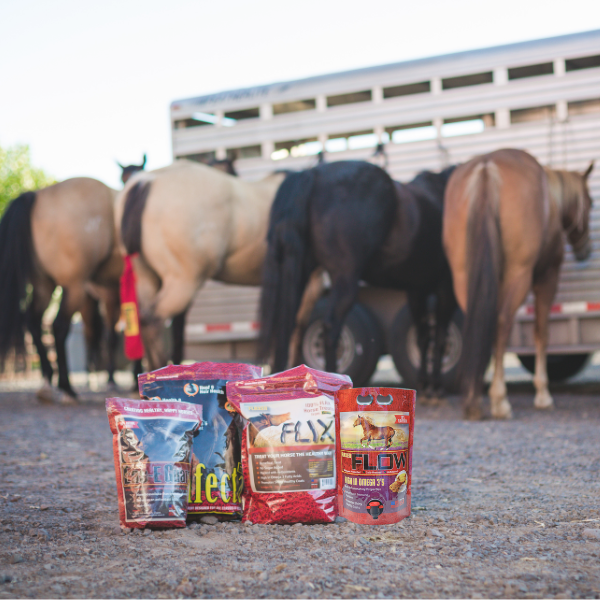


As any veterinarian or farrier will tell you, laminitis is one of the top diagnoses made in horses on a regular basis. Since this painful disease is preventable in many cases and difficult to manage once diagnosed, knowing the triggers and ways to prevent it is key to a healthy horse. Understanding horse nutrition when you are managing a horse with laminitis is important for the best possible outcome.
Common Laminitis Triggers
Laminitis is a complex disease related to equine metabolic syndrome, Cushings disease (PPID) and other systemic inflammatory diseases. Commonly, laminitis is caused by being overweight. It can also be triggered from elevated insulin levels due to Cushings disease. Horses that break into the grain bin or that turned out on spring grass for too long are highly prone to acute laminitis because the sugars in the feed rapidly alter the blood insulin. For horses with PPID/ Cushings disease, reoccurring insulin level changes should be regularly monitored with blood work and managed with a low carb, low sugar diet with added minerals and vitamins. Certain horse breeds and ponies that tend to be cresty or overweight also are highly prone to insulin resistance, which frequently causes chronic laminitis.Supporting Dietary Needs for a Horse with Laminitis
If your horse has been diagnosed by your vet or farrier, proper treatment is key to stave off reoccurring bouts of inflammation and permanent hoof damage. Managing diet becomes a key factor in keeping your horse pain-free.The recommended management for horses with laminitis:
- No grass, grains or treats that contain high levels of sugar or starch
- Soak hay for an hour before feeding to reduce carbohydrates
- Add a vitamin-mineral supplement that contains selenium and vitamin E that has little filler so the overall carbohydrate load stays low
- Provide a plain white salt block
- Omega-3 supplement will help reduce inflammation
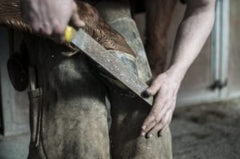
- Have your veterinarian and farrier work together in order to put your horse's hooves at the right angle for the most relief





Joanie
October 01, 2026
Is Teff hay better than Bermuda
I can’t get it’s hard to get Timothy or orchard grass in my area
———
Horse Guard replied:
Teff and Bermuda are both warm season grasses and so they are typically better options that timothy or orchard grass. Also, with a metabolic horse it is a good idea to ask for a hay analysis that includes NSC.
Kelsey Johnson Nonella, Ph.D., PAS
Equine Nutritionist, Horse Guard, Inc.<http://www.horseguard.com/>
3848 NW 91st St. Redmond, OR 97756
Facebook<https://www.facebook.com/HorseGuard/> | Instagram<https://www.instagram.com/horse_guard/> | You Tube<https://www.youtube.com/channel/UCQMpOMX6hR2uv1w3IParGQw> | P: 800.553.4246 | F: 866.304.0944
[Horse Guard SMALL] Since 1978 we have dedicated our efforts to providing the highest quality nutrition products for horses. Our success is healthy happy horses and horse owners.